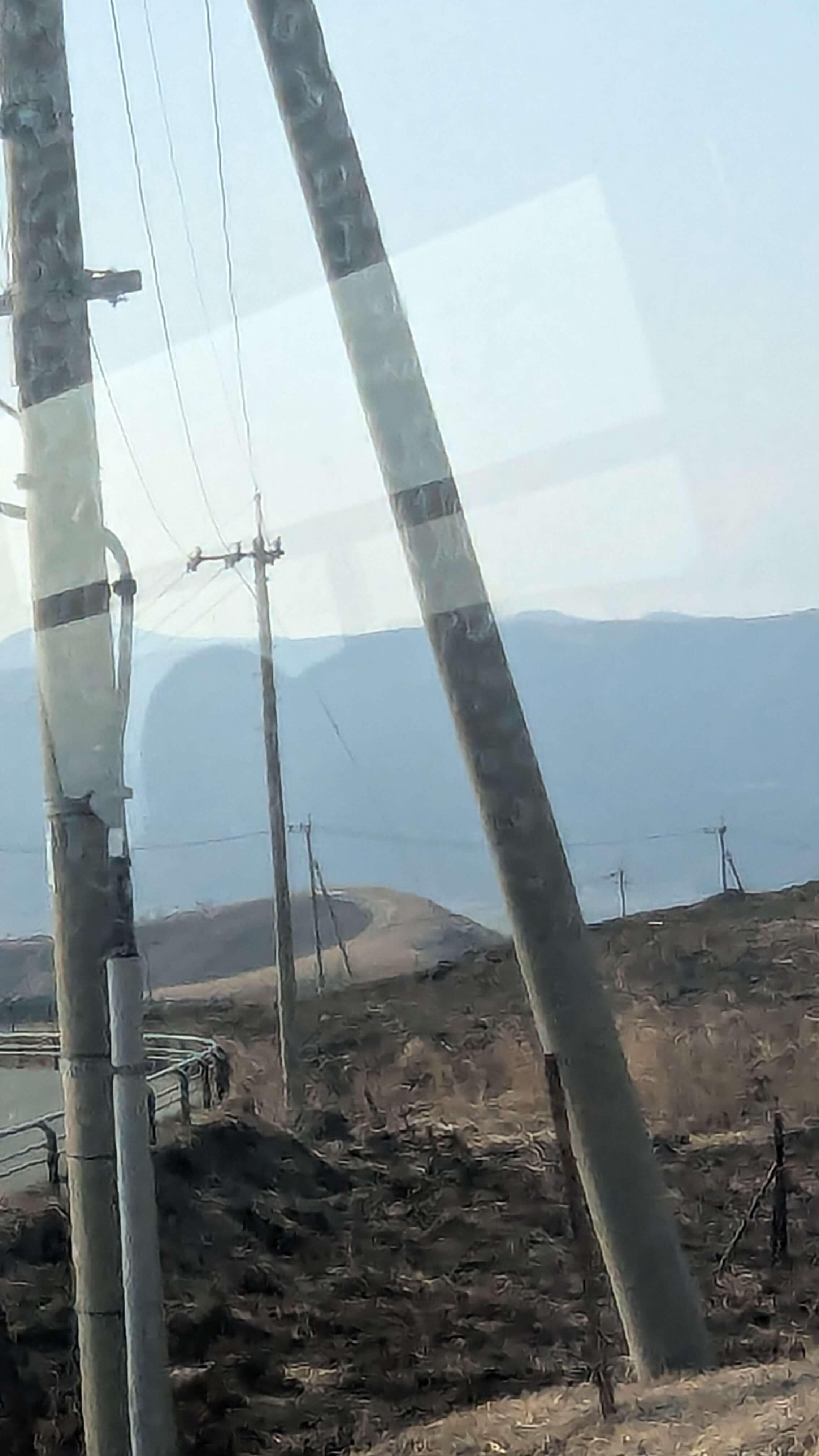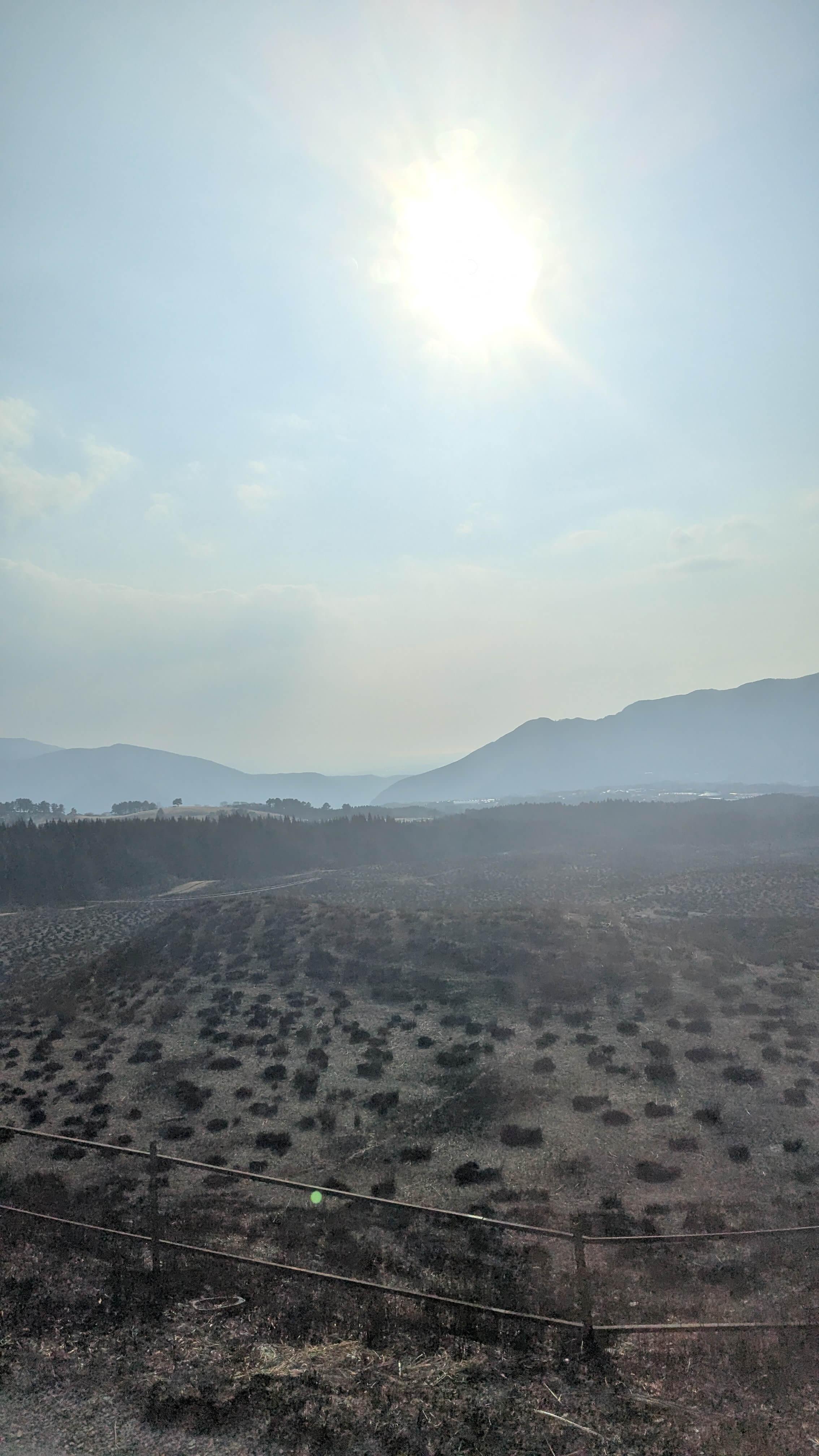
On the sides of the road, there were small steel shacks and houses, which looked old with many of their walls stripped away, giving everything a post-apocalyptic feel that reminded me of the video game Fallout. Here and there brown horses lazily ate the thick golden grasses that remained. The pale gold color made me think of tumbleweeds and when I touched them their feathery tails were soft. It gave me the urge to run without a care and feel their ends on my fingers.
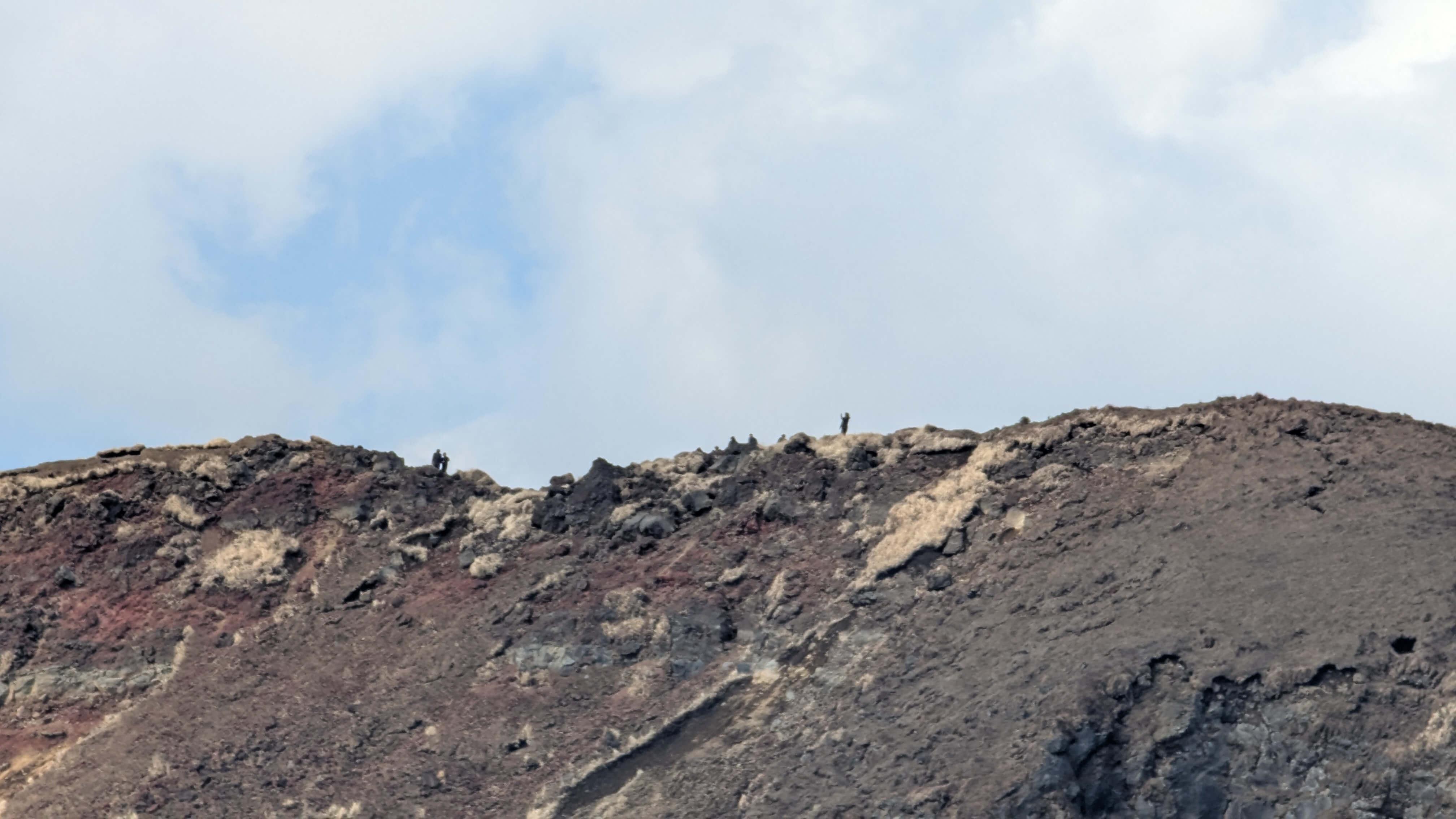
Chinese Silver Grass can be found everywhere throughout Japan where there is open space and a nearby water source. However, they thrive in undisturbed grasslands and on volcanic soil. The grass I was able to see was located in the volcanic fields of the Mt Aso region located to the east of Kumamoto, Japan. Specifically, in the caldera, a massive crater made by a collapsed volcano, of Mt Aso. Fun fact, this caldera is one of the largest in the world and is 16 miles wide! In this environment, these grasses live in a perfect Goldilocks zone between the thick bamboo and oak forests at the bottom of the volcano and the volcanic deserts at the top, where only a few plants and animals can survive the poisonous gases made by volcanoes.
Chinese Silver Grass mainly takes advantage of the rich soil that comes from the minerals made by past volcanic eruptions in the area. The soil contains lots of ash and iron, and is porous, which means there is space between the little pieces of soil for water to pass through. The bowl-like shape of the caldera also acts like a massive funnel, channeling rainwater into humongous underground water pools.