Rapid urbanization and a sharp increase in vehicles have overwhelmed the city’s road infrastructure. Ulaanbaatar was not originally built for its current population. During the Soviet era (beginning in the 1950s), the city was planned for roughly 500,000 residents, with centralized industrial zones and compact infrastructure. Today, the population has grown far beyond those original plans. During peak hours, traffic can be so severe that walking is often faster than driving (my favorite way to get around here).
Mongolia’s famous nomadic lifestyle developed directly in response to its climate. Instead of building permanent homes, herders move seasonally, usually two to four times per year, to find fresh pasture and better shelter from wind and extreme temperatures.
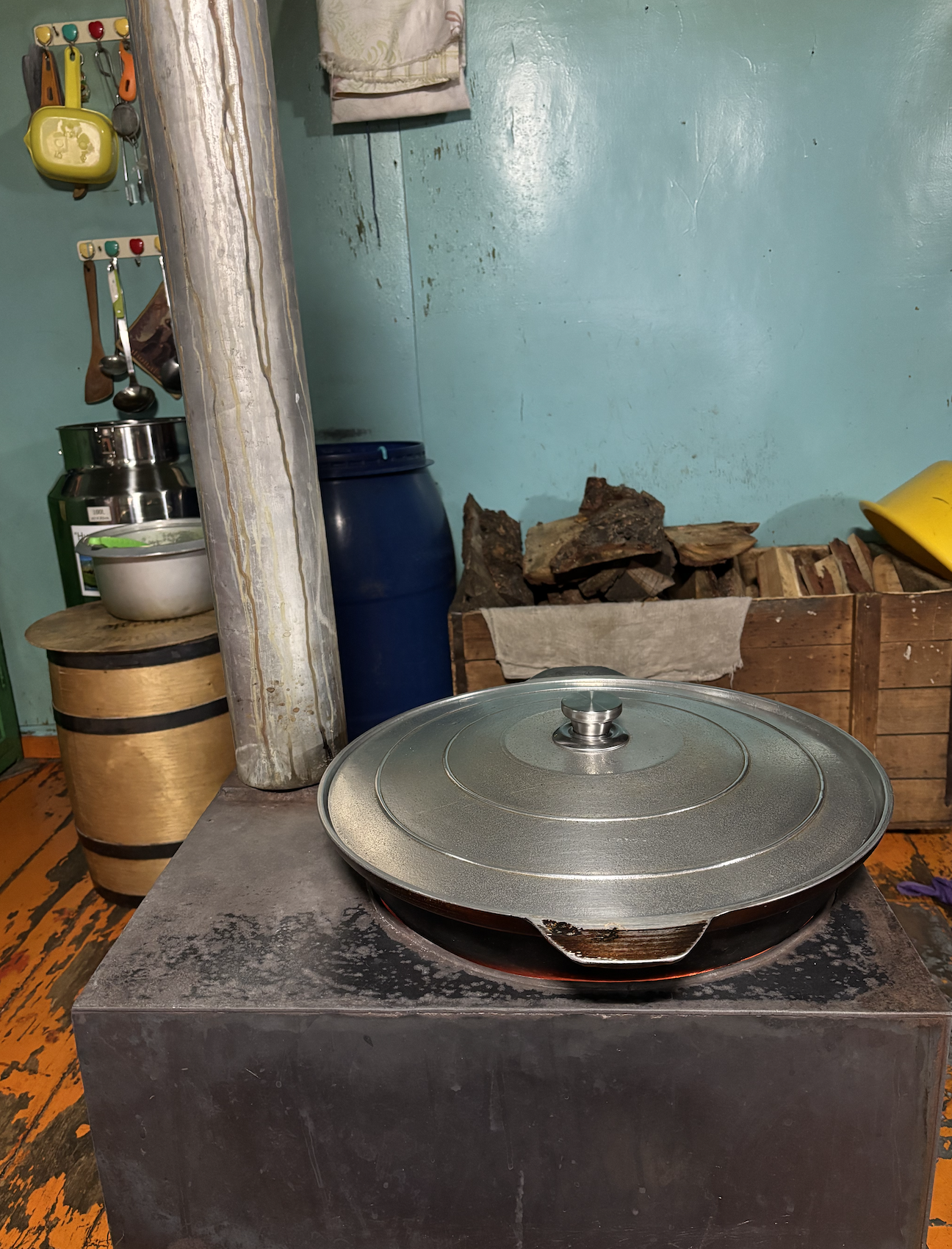
Gers are central to this adaptation. It is a circular, portable home made from a wooden lattice frame covered with thick felt insulation and canvas. Its shape helps resist strong winds, and the insulation traps heat efficiently. In winter, a small stove quickly warms the space, and the heat remains inside. In summer, the top opens allowing ventilation. The ger is lightweight, easy to take apart and transportable, which is perfect for a mobile lifestyle. In winter, herders move to lower valleys or sheltered mountain areas to avoid harsh winds. They may also add extra layers of felt insulation to their gers to retain heat.
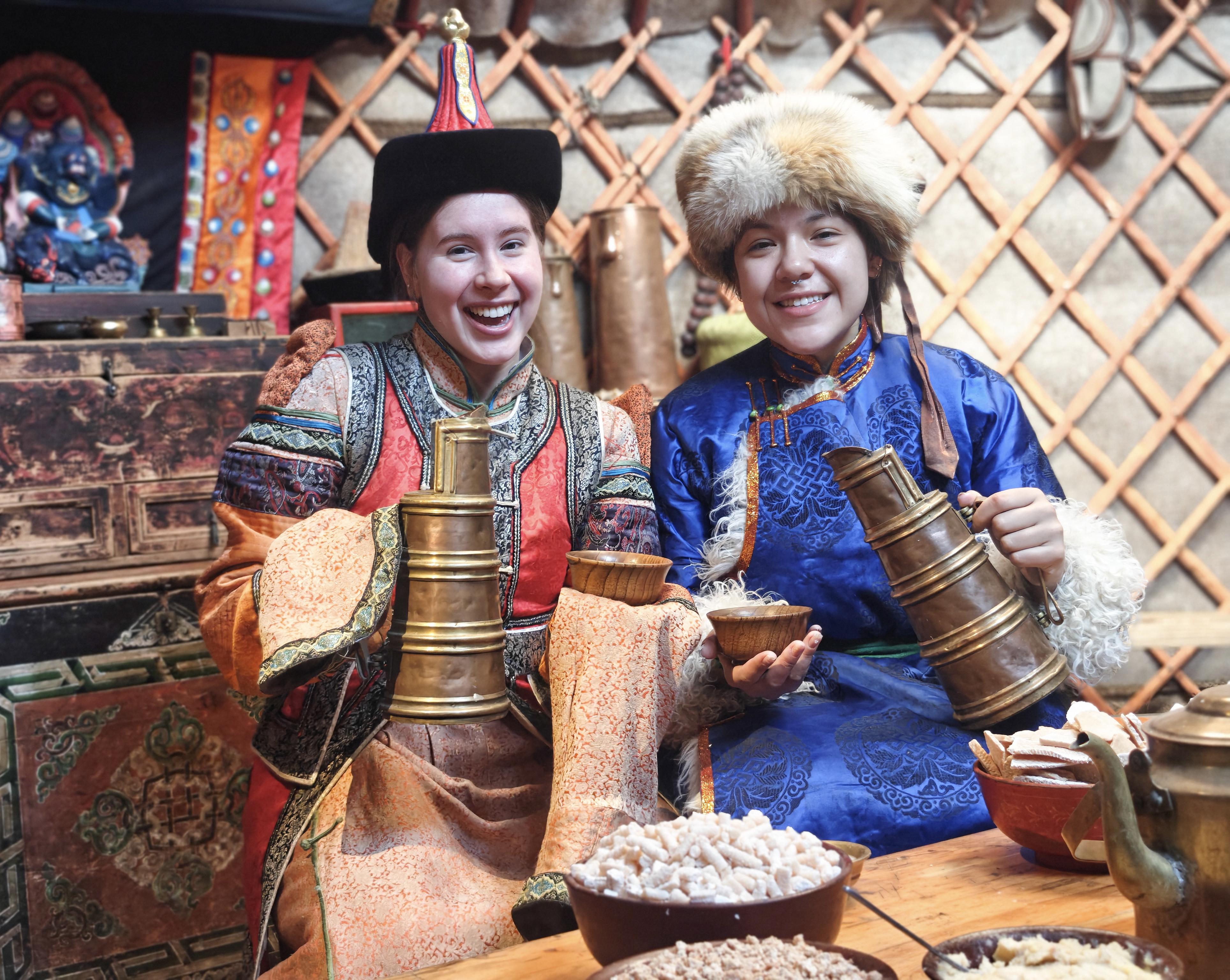
Traditional winter garments, called deels, are thick, padded robes lined with sheepskin or wool. Boots made from leather and felt provide insulation. Multiple layers allow people to remain outdoors even in extremely low temperatures.